






Description
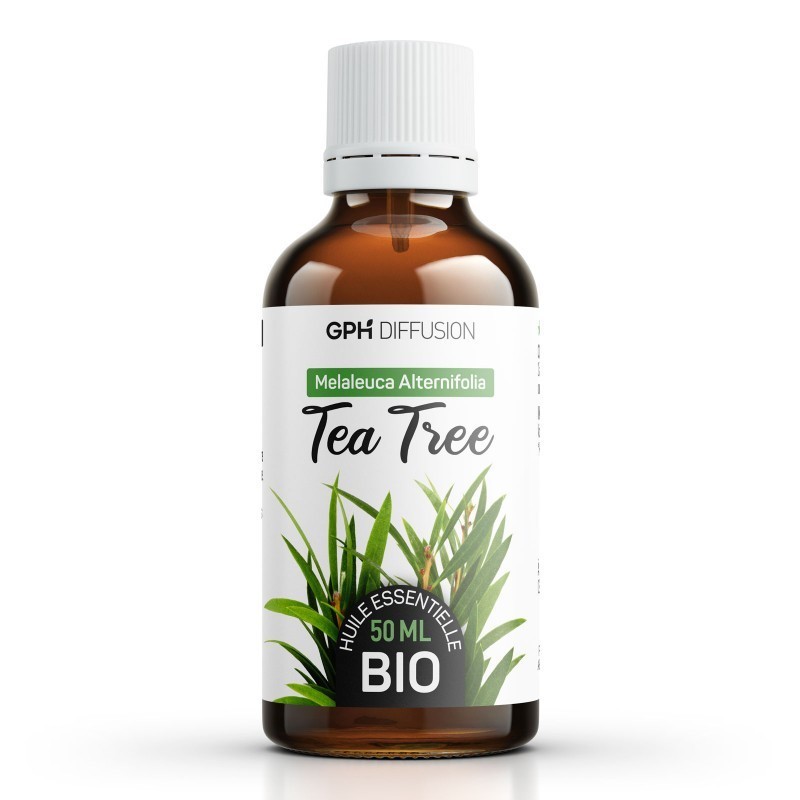
What we call the tea tree is none other than the tea tree. But we must not not to confuse it with teapot, which is a whole other kind of tree. It is also called alternate leaf melaleucus, especially in the world of aromatherapy. The oil we collect from tea tree is close to that of the niaouli, called gomenole. The use of the leaves of this tree is not dated from yesterday. In fact, Australian Aboriginals used it centuries ago in herbal tea or inhalation to treat a number of small daily ailments.
Indeed, this tree comes to us straight from'Australia, and captain James Cook discovered it on his world tour in 1770, arriving on the australian coast. The sailors had the opportunity to make tea thanks to the leaves of the tea tree, which gave its name to this plant which was widely used in the pharmacopoeia in general. This tree especially appreciates wetlands, wetlands, and thus grows at the edge of streams, on sandy lands. Since then, it has been grown in other countries, such as the United States, China or New Zealand.
So these are the stems and the leaves of this tree that allow to obtain the famous essential oil well known for its various virtues, both internally and externally, in aromatherapy.
Instructions for use: Take 2 to 3 drops of organic tea tree essential oil on a neutral medium or mixed with a food, as part of a balanced diet, without exceeding the recommended doses. For foodstuffs, limited use.
Avoid consumption during pregnancy, breast-feeding and by children under 3 years of age. Do not apply to skin that will be exposed to the sun.
Ingredients: Organic tea tree essential oil: 50ml

 Paiement 100% sécurisé


Data sheet
Data sheet
Essential oil tea-tree organic AB
50ml bottle.
